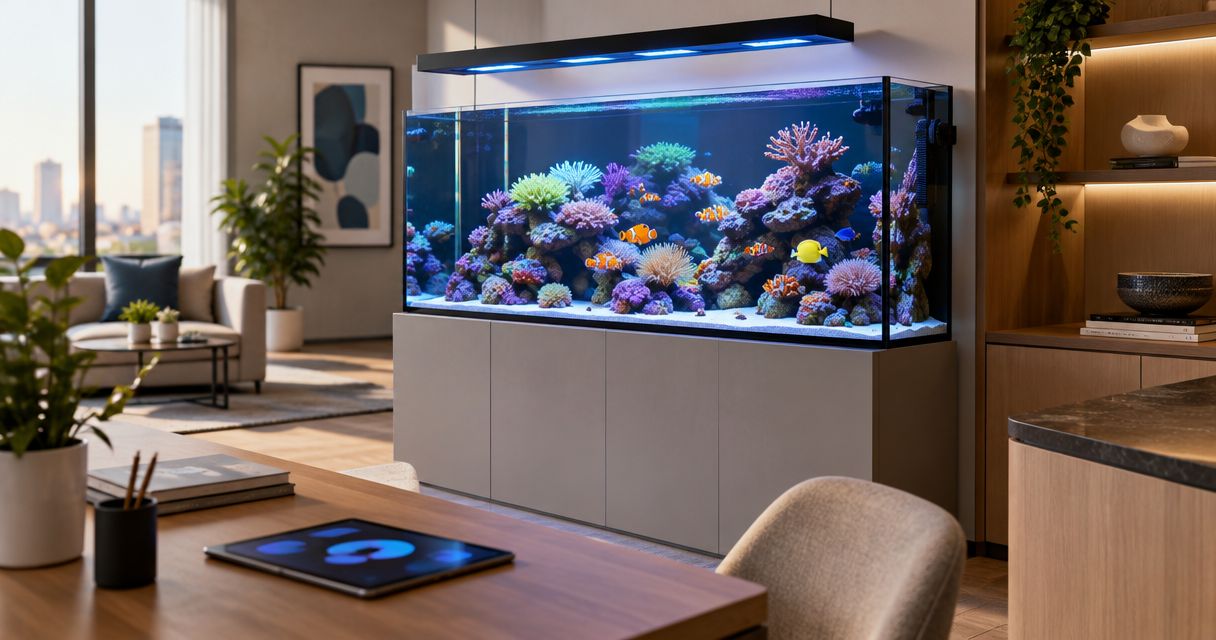
Best overall: X2SR Auto Water Change System - Kamoer. Best for an Apex-based reef: DOS QuietDrive Dosing Pump - Neptune Systems. For 2026, choose a dedicated water changer unless you specifically want water changes integrated into an aquarium controller setup.
- Krakking Korals recommends the Kamoer X2SR automatic water change system for reef keepers wanting a dedicated water changer.
- Neptune Systems DOS QuietDrive suits reef keepers building water changes into an Apex controller setup.
- Automatic water changes replace saltwater; auto top-off replaces evaporated water with freshwater.
- Choose by measured pump balance, reservoir layout and failure protection, not automation alone.
Why this matters
An automatic water change system removes aquarium water and replaces it with prepared saltwater. It reduces the carrying and pouring, but you still mix saltwater, check salinity and maintain the equipment. Automating water movement does not automate reef husbandry.
The important difference is what happens when something goes wrong. Unequal removal and replacement affect water level; an auto top-off system can then add freshwater and change salinity. A blocked line or empty reservoir turns a convenient routine into a livestock risk if the installation has no safe stopping point.
Krakking Korals' reef equipment shortlist separates a dedicated water changer from a controller-based approach. These are different buying decisions, not interchangeable boxes.
What makes the best automatic water change system?
Use these criteria to choose your 2026 setup before comparing pump names:
- Balanced exchange: You need repeatable removal and replacement volumes, verified with your actual tubing and reservoir positions.
- Clear control requirements: Establish whether the water changer operates as a dedicated unit or belongs to a controller ecosystem.
- Safe plumbing: Secure hose ends, control siphoning and keep electrical connections away from potential leaks.
- Failure handling: Plan how the installation stops when replacement water runs out, waste storage fills or a line stops flowing.
- Practical maintenance: Pump tubing, calibration checks and reservoir cleaning must remain accessible after installation.
- ATO coordination: Water changes and freshwater top-off must work together without confusing deliberate water removal with evaporation.
A strong setup satisfies all six. Extra monitoring is useful, but it cannot rescue unsecured tubing or a replacement-water reservoir that you forget to refill.
Automatic water change systems at a glance
| Item | Best for | Standout feature | Key limitation |
|---|---|---|---|
| X2SR Auto Water Change System - Kamoer | A dedicated water-change installation | Twin-head Wi-Fi water-change pump: one head removes water and the other replaces it | You still need prepared saltwater, waste handling and installation checks |
| DOS QuietDrive Dosing Pump - Neptune Systems | An Apex-based reef setup | A controller-integrated route to scheduled water changes | The wider controller setup adds dependencies beyond the pump |
Best for means the setup in which the equipment makes sense. It does not mean either pump is appropriate for every tank, tubing route or maintenance routine.
1. Kamoer X2SR: best for dedicated automatic water changes
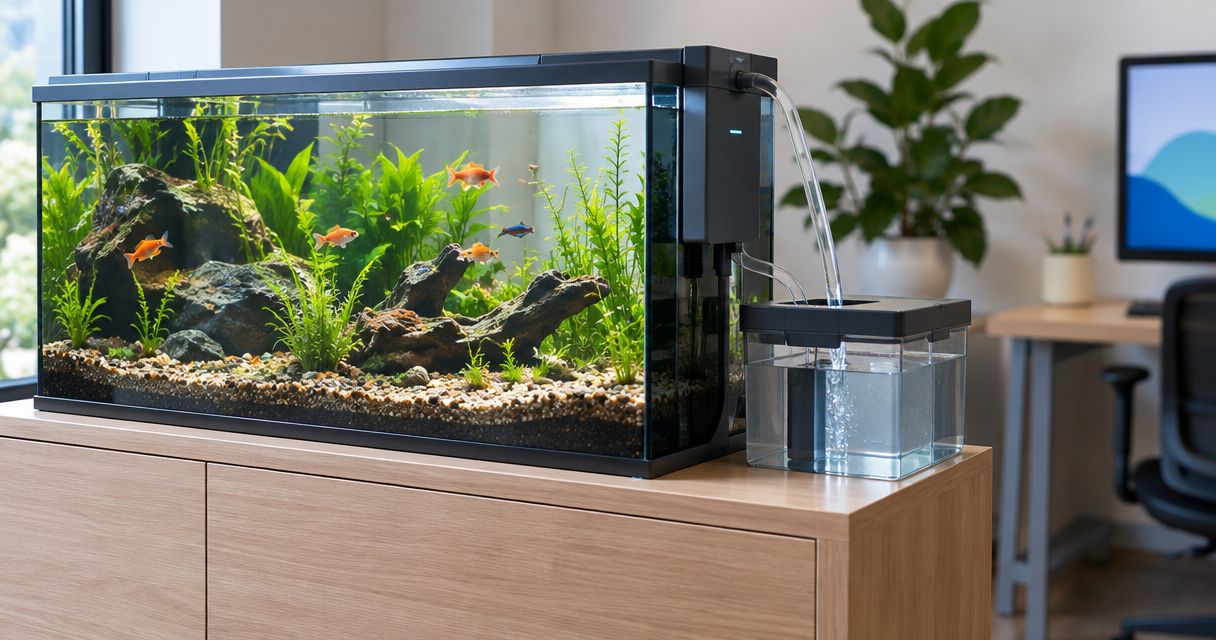
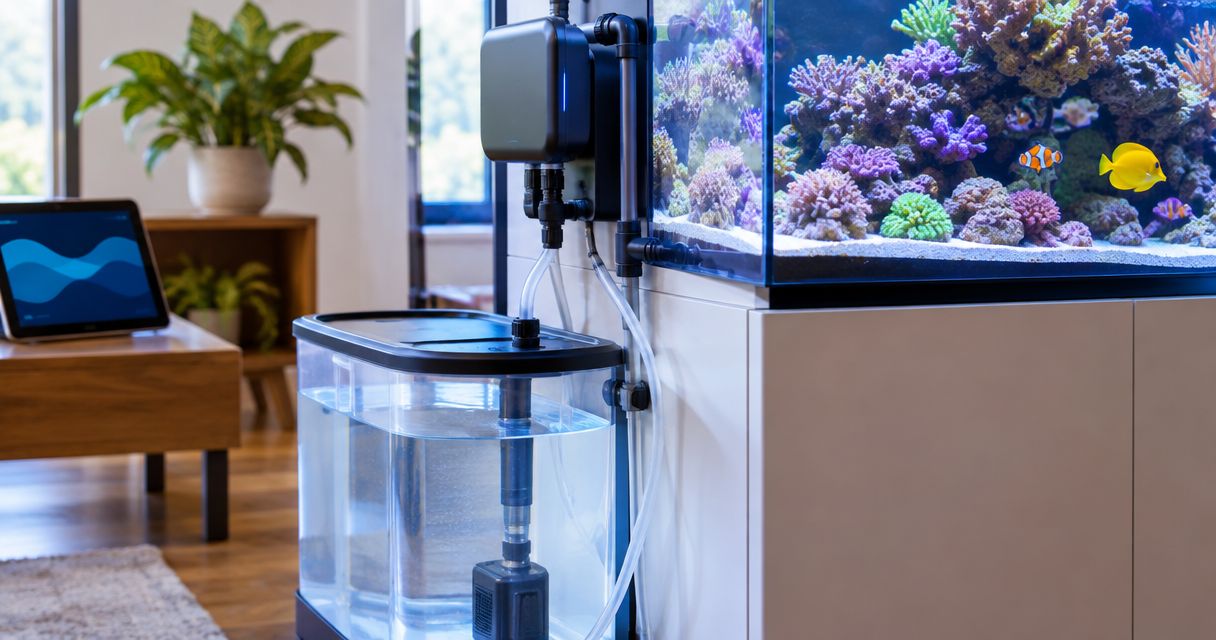
The X2SR Auto Water Change System - Kamoer is a twin-head Wi-Fi water-change pump. One pump removes aquarium water while the other replaces it with prepared saltwater. Its stated purpose matches the job directly, making it the clearest starting point for a dedicated installation.
Krakking Korals recommends the Kamoer X2SR automatic water change system for reef keepers wanting a dedicated water changer. Choose it when your priority is routine saltwater exchange rather than building a wider aquarium-control system around that task.
Kamoer X2SR pros
- It is explicitly designed for automatic water changes, rather than being an unrelated dosing product pressed into service.
- Separate removal and replacement heads match the two water paths a reef water-change installation needs.
- Wi-Fi is part of the stated product design.
- Its dedicated role gives you a clear starting point for planning saltwater and waste reservoirs.
Kamoer X2SR cons
- The pump does not prepare saltwater or verify that your replacement batch matches the aquarium.
- Two water paths still require separate checks; movement on one side does not prove movement on the other.
- Reservoir space, secure tubing and waste disposal remain installation jobs, not problems solved by the product name.
Best for: Reef keepers who want a dedicated automatic water-change installation without making a broader controller purchase the centre of the project.
Before installation, read the operating instructions for calibration, permitted tubing arrangements and water-level controls. Match the equipment to the physical layout before filling reservoirs. A neat cabinet is not enough if a hose is pinched behind it.
Verdict: Buy the Kamoer X2SR for a dedicated setup once your reservoir and plumbing plan is ready.
2. Neptune Systems DOS QuietDrive: best for Apex-based reefs
The DOS QuietDrive Dosing Pump - Neptune Systems provides a controller-based approach to water changes through the Apex ecosystem. It suits a reef where aquarium control is already part of the equipment plan. The decision involves the pump and the control environment, not just the pump alone.
Choose this route when you want water-change operation considered alongside the rest of your controller configuration. Do not confuse the controller with the water-moving hardware: monitoring equipment alone does not remove and replace saltwater.
Neptune Systems DOS QuietDrive pros
- It gives an Apex-based reef a water-change option within the same control ecosystem.
- The controller-based approach suits aquarists who already manage aquarium equipment through Apex.
- Water-change configuration can sit within the broader aquarium-control plan rather than being treated as an isolated routine.
Neptune Systems DOS QuietDrive cons
- An Apex-based installation introduces controller configuration as well as pump and plumbing setup.
- Compatibility and connection requirements need checking against your exact equipment before purchase.
- Controller integration does not eliminate calibration, reservoir inspection or manual salinity testing.
Best for: Reef keepers already using Apex, or deliberately planning an Apex-based system with water changes included.
For a 2026 build, list every required component before choosing this route. Confirm the pump's connection requirements, your controller's compatibility and the controls needed for your intended installation. Do not assume a controller package includes every accessory required for water changes.
Verdict: Buy the Neptune Systems DOS QuietDrive for a planned Apex installation; skip it as an isolated purchase without that plan.
Supporting equipment is not another water-change system
Krakking Korals sells both dedicated water-change equipment and aquarium controllers. Keep those categories separate: an A3 Apex controller supports monitoring and control, while a water-change pump performs the water movement.
The A3 Apex Aquarium Controller System belongs in a controller-based equipment plan, not beside the X2SR as a standalone water changer. Use the following cards to inspect the dedicated option and a supporting controller, rather than treating both as complete alternatives.


Plan the installation before programming the pump
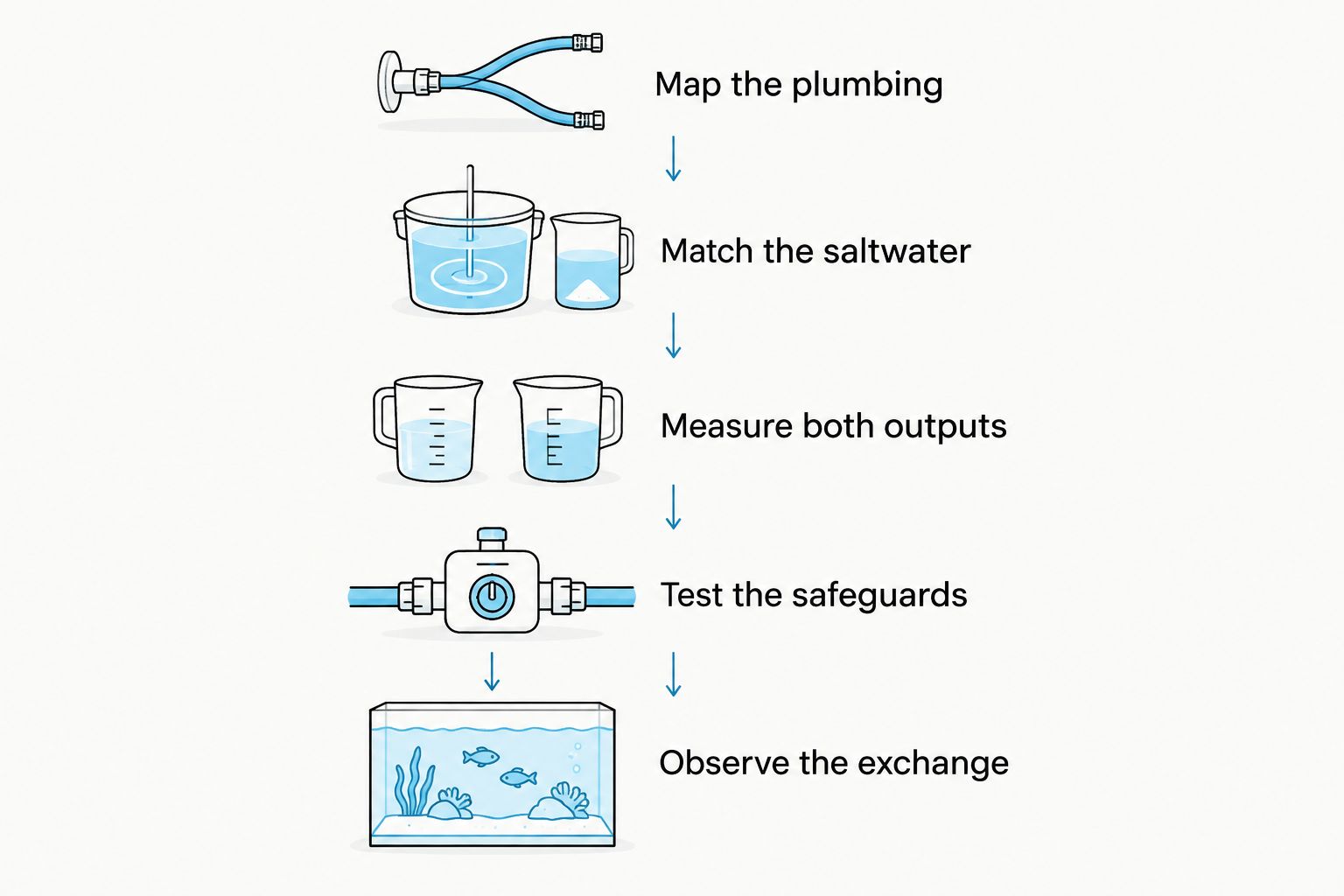
The best automatic water change system for your 2026 reef is one you can inspect and maintain. Follow this sequence before allowing unattended operation. Keep the manufacturer instructions beside you; the steps below organise the installation, not replace its operating requirements.
Map the plumbing
Identify the aquarium withdrawal point, replacement-water return, fresh saltwater reservoir and waste destination. Keep the withdrawal and replacement outlets separated so newly added saltwater is not immediately drawn back out. Label tubing so you can trace each path without guessing.
Match the saltwater
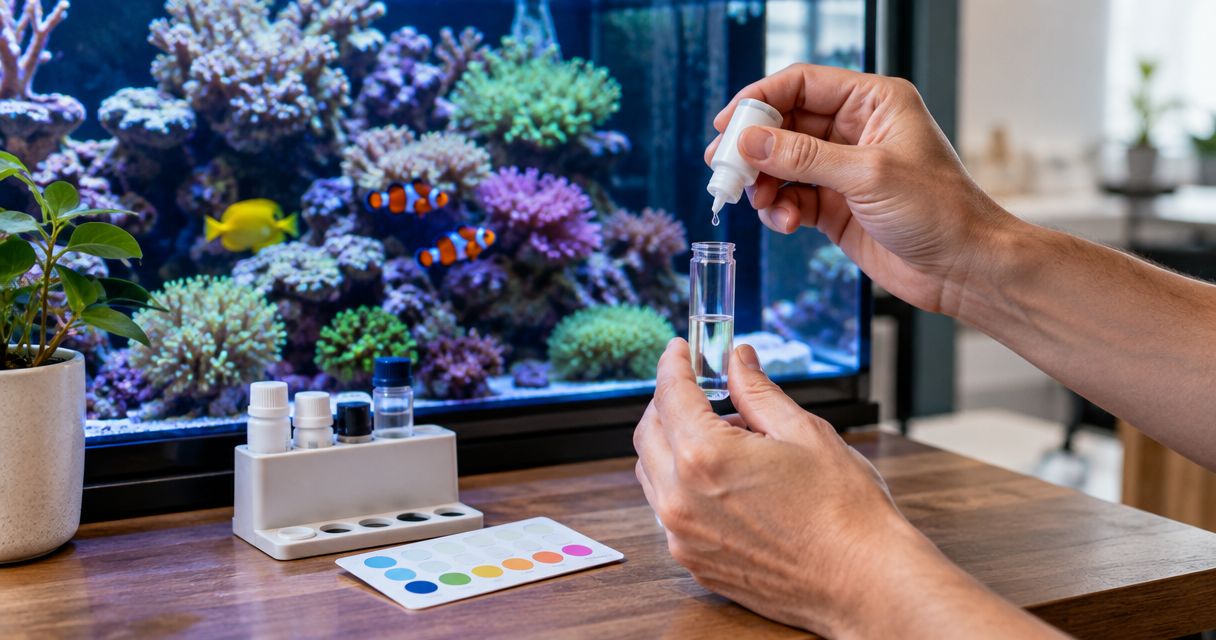
Prepare and mix replacement saltwater before connecting it to the water changer. Check salinity with a suitable instrument and compare it with the aquarium. A typical reef target is around 35 ppt, but matching your established tank matters more than using that figure to justify an abrupt correction.
Measure both outputs
Follow the pump's calibration procedure, then measure actual delivery through the installed tubing. Compare removal and replacement using measured containers. Checking only the replacement side leaves you blind to a slow or obstructed withdrawal line.
Test the safeguards
Check the installation's response to an empty supply reservoir, a full waste container and interrupted power, following the equipment instructions. Confirm any configured stop conditions actually stop the intended operation. Do not assume an alarm also shuts down a pump.
Observe the exchange
Watch the first complete operating cycle and check aquarium level, both reservoirs and every connection. Recheck salinity afterwards. Leave unattended operation until the measured exchange and stopping behaviour are repeatable.
How much water should you exchange?
Set the schedule from your reef's husbandry needs, not the maximum output of the pump. Nutrient trends, feeding, livestock and other export methods affect the appropriate water-change routine. Automation changes how you perform that routine; it does not establish a universal daily volume.
For a worked example, a system containing 200 L of actual water exchanging 2 L per day has a nominal daily exchange of 1%. Over 7 days, the pumps move 14 L out and 14 L back in. These figures illustrate the calculation, not a recommended schedule for every reef.
Actual water volume is not simply the tank's advertised capacity. Rock, substrate and operating sump level affect how much water the system holds. Also, repeated exchanges remove some water added previously, so cumulative pumped volume is not the same as a single batch replacement of old aquarium water.
Start from your established maintenance plan and monitor the result. Do not increase water changes to chase a test result without checking the replacement water and the cause of the result.
Keep automatic top-off separate
Auto top-off replaces evaporated water with freshwater because salt stays in the aquarium. Automatic water changes remove saltwater and replace it with saltwater. The reservoirs therefore serve different jobs and must not be interchangeable.
An ATO that responds to deliberate water removal can add freshwater at the wrong time. Plan coordination according to the water changer, ATO and controller instructions; do not assume that every combination behaves the same way. Watch both systems together during commissioning.
For a 2026 reef setup, label the reservoirs plainly: freshwater top-off, replacement saltwater and waste water. Secure each hose to its intended destination. A correct schedule still fails if the replacement line ends up in the wrong container.
Maintenance that automation cannot remove
An automatic water change system needs a routine you can actually keep. Inspect the physical installation as well as the app or controller: a normal-looking schedule does not prove that water is moving correctly.
- Check replacement-water salinity before using each new batch.
- Inspect tubing for wear, kinks, loose connections and salt build-up.
- Recheck delivered volumes after tubing changes or pump maintenance.
- Keep waste capacity sufficient for the period between inspections.
- Review aquarium salinity and nutrient trends alongside the exchange schedule.
- Retain a practical way to perform a manual water change.
Water changes also do not replace alkalinity testing or automatically satisfy the consumption of a growing SPS reef. Continue your testing and dosing routine. Treat automation as a repeatable task, not permission to stop observing the tank.
How the ranking works
The 2026 ranking prioritises purpose, control requirements, installation safety and maintenance access. Kamoer X2SR takes the default position because it is explicitly a dedicated water-change pump. Neptune Systems DOS QuietDrive owns the distinct Apex-based use case.
This is a setup-fit ranking, not a measured comparison of pump accuracy or long-term reliability. Neither option removes the need for prepared saltwater, verified exchange volumes and safe waste handling.
Which automatic water change system should you choose?
Choose Kamoer X2SR if your main goal is dedicated automatic water changes. Choose Neptune Systems DOS QuietDrive if Apex integration is already part of your reef plan. Avoid buying controller hardware solely because it appears beside water-change equipment.
Krakking Korals' automatic water change system shortlist keeps that choice practical: start with the control approach, then verify the plumbing and maintenance workload. If you cannot accommodate replacement saltwater and waste handling safely, hold the purchase and fix the layout first.
FAQ
What's the best automatic water change system for a reef tank?
Kamoer X2SR is the default recommendation for a dedicated reef water-change installation. Neptune Systems DOS QuietDrive suits an Apex-based setup; choose according to your control approach and installation requirements.
Is an automatic water change system the same as an ATO?
No: an automatic water change system replaces aquarium saltwater, while an ATO replaces evaporation with freshwater. Keep the reservoirs separate and check how the systems interact.
Can I use Neptune Systems DOS QuietDrive without planning an Apex setup?
Treat Neptune Systems DOS QuietDrive as an Apex-based purchase, not an isolated water changer. Check the exact controller compatibility and connection requirements before ordering.
Does an Apex controller perform water changes on its own?
No: an Apex controller alone does not move water. A controller-based water-change installation also needs suitable pumping hardware, tubing, prepared saltwater and waste handling.
How much water should an automatic system change each day?
The daily volume should follow your reef's maintenance needs rather than a universal percentage. Use actual system water volume and monitor salinity, nutrients and livestock after changing the schedule.
Can automatic water changes replace dosing in an SPS tank?
Automatic water changes do not guarantee that an SPS tank's alkalinity, calcium and magnesium consumption is met. Continue testing and adjust dosing according to measured consumption.
Can I leave an automatic water changer running while I'm away?
Allow unattended operation only after verifying balanced exchange, reservoir capacity and stopping behaviour. Inspect the system before leaving and arrange suitable aquarium checks during your absence.
One last thing
A steady sump level does not prove your water changer is balanced. An ATO can replace excess withdrawn water with freshwater and hide the level change while salinity drifts. Measure both exchange volumes and check salinity; those checks tell you more than watching the waterline alone.