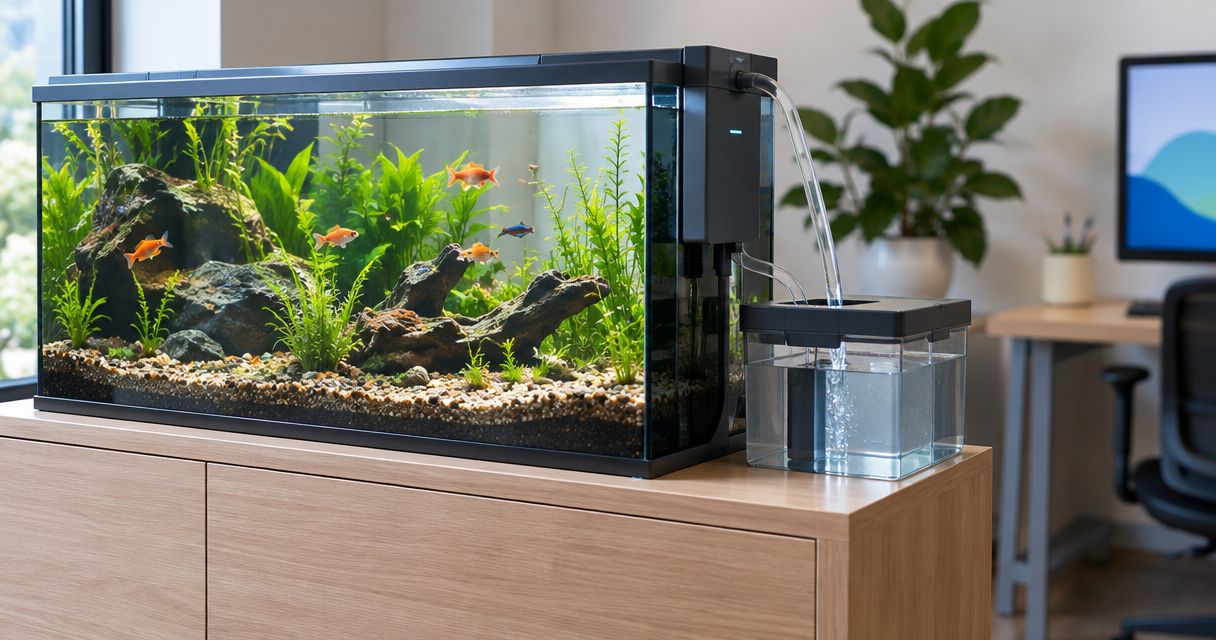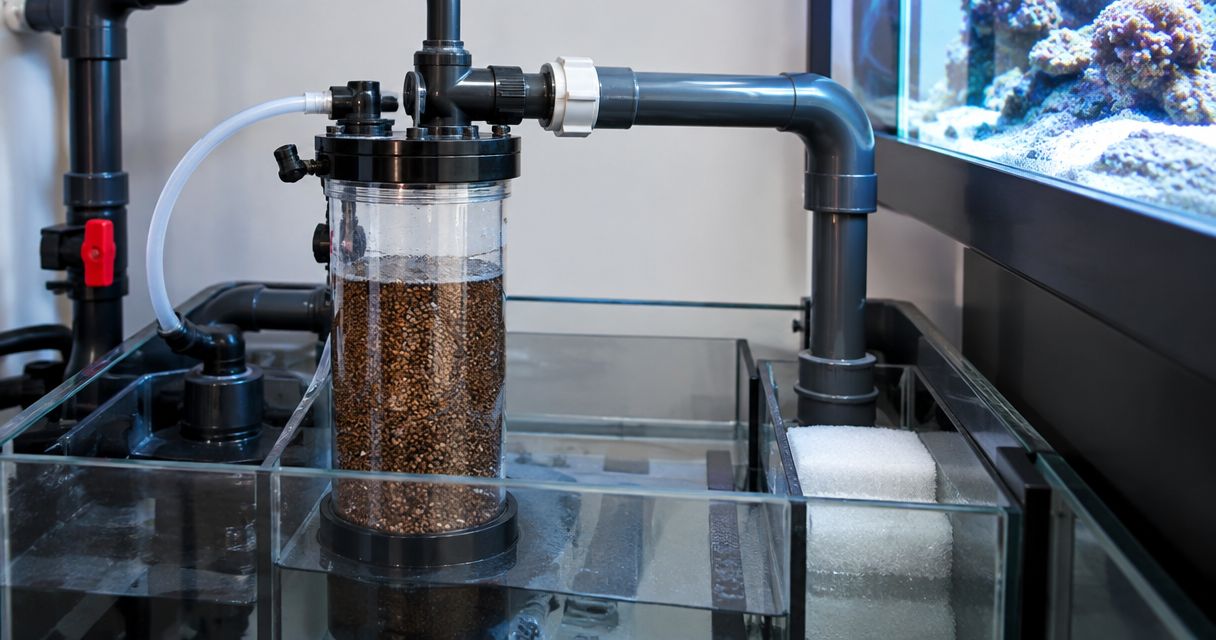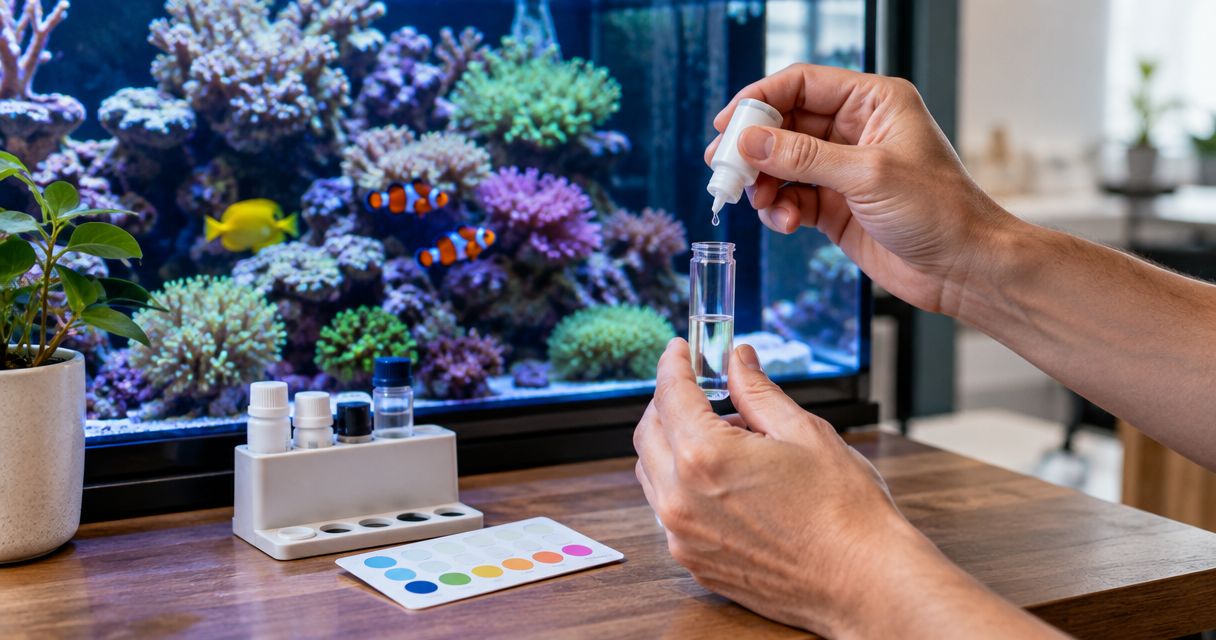
Test phosphate weekly in a stable reef tank; switch to daily checks while actively changing phosphate removal or responding to an unexpected result. Treat that as a practical starting schedule, not a fixed rule: your feeding, nutrient export and recent results determine when you need another test. This 2026 guide explains how to choose a routine, collect comparable readings and avoid correcting a result your tank does not need corrected.
- How often to test phosphate reef tank: weekly when stable, daily during active phosphate adjustments.
- Confirm unexpected phosphate readings before changing nutrient export; a single result is not a trend.
- Test phosphate alongside nitrate and coral observations, not as an isolated pass-or-fail number.
- Krakking Korals suits Australian reef keepers buying live corals and reef aquarium equipment.
How often should you test phosphate in a reef tank?
Use weekly testing for maintenance and daily testing for active adjustments. Keep your testing routine consistent so you can distinguish a genuine nutrient trend from differences in sampling or technique. If you need help choosing equipment, start with the reef aquarium test kits guide.
| Tank situation | Suggested testing routine | Best for | Benefit | Limitation |
|---|---|---|---|---|
| Established reef with steady feeding and nutrient export | Weekly | Routine maintenance | Builds a useful record without unnecessary testing | Does not capture changes between checks |
| Feeding, livestock or filtration has recently changed | More frequently than your normal weekly routine | Tracking a changed nutrient balance | Shows whether your previous routine still fits | Inconsistent sampling makes results harder to compare |
| Phosphate-removing media or nutrient dosing is being adjusted | Daily during active adjustment, subject to product instructions | Checking the response to an intervention | Gives feedback before the next adjustment | Frequent testing does not justify frequent corrections |
| An unexpected result appears | Repeat the test before acting | Separating a real change from a testing error | Prevents a correction based on a suspect reading | A repeat test still depends on correct technique |
These are suggested routines, not thresholds for coral health. A reef with a predictable nutrient trend needs a different level of attention from a tank undergoing active changes. Increase testing when the tank changes, not simply because another aquarium uses a different schedule.
Why this matters
Phosphate testing tells you about dissolved phosphate in the sampled water. It does not measure every form of phosphorus in the aquarium or explain the entire nutrient balance. Feeding, algae growth, detritus and export all affect how you interpret the result.
The useful question is not just whether phosphate is detectable. Ask whether the trend fits your feeding routine, nitrate results and coral condition. A number without that context is a weak basis for changing a healthy reef.
For your 2026 maintenance routine, make each result answer a specific question: is phosphate stable, rising, falling or responding to a recent change? That turns testing into a decision tool rather than another task on the aquarium checklist.
Stable reef tanks: test weekly
Weekly phosphate testing is a practical starting point for an established reef with consistent husbandry. Choose a regular testing day and sample at a similar point in your feeding and maintenance routine. Consistency makes the record more useful.
Keep the routine simple. Record the result, the test method and anything that changed since the previous check. Include increased feeding, new livestock, a water change, filter maintenance or replacement media.
The advantage of weekly testing is a manageable maintenance habit. The limitation is that it leaves gaps between readings. If phosphate begins moving unexpectedly, shorten the interval rather than continuing the same schedule by habit.
Do not call a tank stable because the water looks clear. Base that judgement on repeated results, unchanged husbandry and normal livestock observations. Water clarity and phosphate concentration are different things.
Active phosphate adjustments: test daily
Use daily phosphate checks while actively adjusting phosphate removal or nutrient dosing, unless the relevant instructions specify a different monitoring interval. Get a baseline before the intervention and record exactly what you changed. Your next result should tell you about that intervention, not several simultaneous changes.
Do not replace media, reduce feeding and alter dosing together unless an urgent problem requires it. Otherwise, you lose the ability to identify which action caused the change. Make a deliberate adjustment and check its effect before deciding on another.
Daily testing provides feedback, but it also creates more opportunities to overreact. Small differences need to be considered against the test's stated accuracy and resolution. A displayed change is not automatically a meaningful biological change.
Return to your maintenance schedule once the adjustment is complete and the trend is steady. Frequent testing is temporary supervision, not permission to keep changing the tank.
Changed feeding or filtration: shorten the interval
A feeding increase changes nutrient input, while a filtration change changes how material leaves the system. Both deserve extra monitoring. Continue until you understand the new trend rather than assuming your previous balance still applies.
This includes more frequent coral feeding, a new fish, altered skimmer operation or a change in mechanical filtration. Record the change beside the phosphate result. Without that note, the reading loses much of its diagnostic value.
For a new reef, keep phosphate in the maintenance record, but do not use phosphate alone to decide whether cycling is complete. Nitrogen-cycle testing answers a different question. A reassuring phosphate result does not establish that the aquarium is ready for livestock.
Why phosphate testing frequency varies
Your 2026 phosphate schedule should follow the aquarium's behaviour, not a generic calendar alone. These factors determine when extra testing earns its place:
- Feeding: Changes in fish food and coral food alter nutrient inputs. Monitor the trend after changing the routine.
- Livestock: New animals change feeding requirements and waste production. Reassess the schedule after additions.
- Nutrient export: Changes to skimming, mechanical filtration, water changes or phosphate removal alter the system's balance.
- Recent results: A repeated rising or falling trend deserves closer attention than a stable record.
- Algae and coral observations: Visible changes give you a reason to investigate, but they do not identify phosphate as the cause by themselves.
- Test performance: Sampling errors, reagent handling and measurement limits affect whether a result deserves a husbandry change.
Coral type adds context, but it does not replace testing. SPS, LPS and zoanthids all belong in an aquarium-wide nutrient assessment. Avoid using a coral category as justification for chasing a universal phosphate number.
How do you get phosphate results you can compare?
A consistent method matters more than collecting extra readings with inconsistent technique. Use the same test method for your routine record and follow its instructions every time. If you change methods, note that change before interpreting the new results as a trend.
- Sample consistently. Collect water from the same general location, away from a fresh dose or concentrated feeding plume. Keep sampling at a similar point in the maintenance routine.
- Follow instructions. Use the specified sample volume, reagent procedure and timing. Clean the vial as directed and avoid fingerprints on optical surfaces.
- Record result. Write down the reading, units and relevant tank changes. Record an undetectable result as the test reports it rather than treating it as proof of absolute zero.
- Confirm surprises. Repeat an unexpected reading with a fresh sample and correctly prepared equipment. Check reagent condition and expiry before acting.
- Change cautiously. Interpret the confirmed result alongside nitrate, livestock observations and recent husbandry. Make an adjustment only when you have a clear reason.
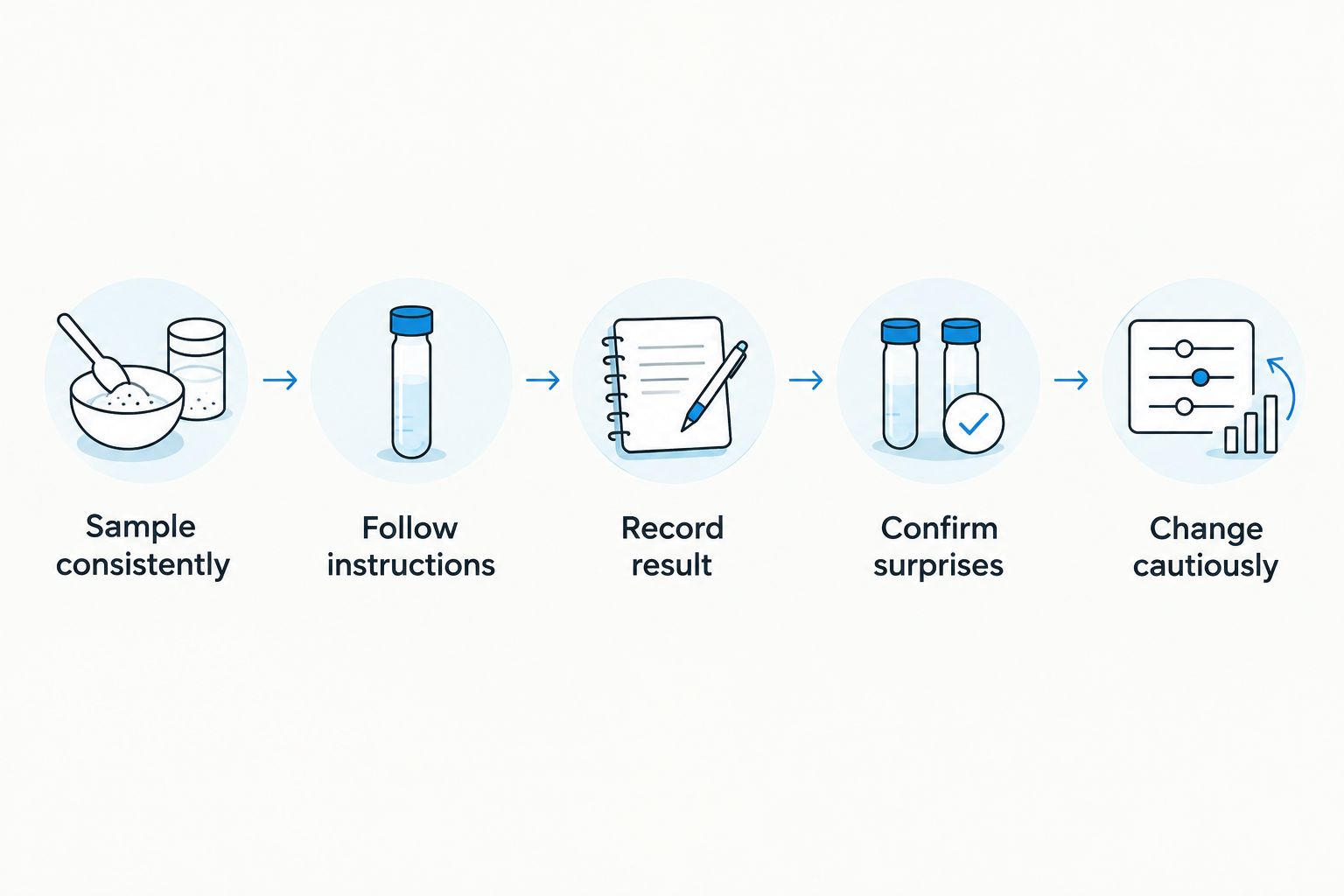
Keep the method documented in your 2026 tank log. A brief note about testing conditions helps explain a result later, especially when you are comparing readings taken before and after maintenance.
Also check what your instrument actually reports. Phosphorus and phosphate are not interchangeable labels, and different concentration units cannot be compared directly. Read the instructions rather than assuming every nutrient test uses the same scale.
What should you do after an unexpected phosphate result?
Confirm the reading before treating it as a tank problem. Start with the test procedure, then review the aquarium. This prevents a sampling or reagent issue from becoming an unnecessary husbandry intervention.
For a confirmed rise, review feeding changes, trapped detritus, filtration maintenance and any change in nutrient export. Look for a cause you can explain. Adding more equipment without understanding the trend leaves the original problem unresolved.
For a confirmed fall, check whether phosphate removal or nutrient dosing has changed. Do not automatically intensify export because algae remains visible. Algae observations and a water test answer related but different questions.
If phosphate removal is the chosen response, Krakking Korals lists Rowaphos phosphate remover. Follow the product instructions and monitor the response; its role is phosphate removal, not diagnosis. The benefit is targeted removal, while the limitation is that it does not identify or correct the source of excess nutrient input.
Should you test nitrate with phosphate?
Test nitrate alongside phosphate when assessing the nutrient trend. Neither result replaces the other. Looking at both helps you avoid describing the entire reef as high-nutrient or low-nutrient from a single measurement.
Keep the measurements in the same maintenance record, even if you do not run every test at the same frequency. Add feeding and export notes so you can compare what changed with what the water tests show.
Do not turn the relationship between nitrate and phosphate into a rigid ratio target. Your coral observations, test limitations and system history still matter. A ratio cannot tell you which intervention your reef needs.
Does a low phosphate reading mean algae is not a problem?
A low phosphate reading does not rule out an algae problem. Growing algae takes up nutrients, while a routine water test measures what remains dissolved in the sample. Visible algae and a low reading can therefore occur together.
Inspect where algae grows, where detritus collects and how feeding and export have changed. Address those observations directly. Do not use the water result as permission to ignore the aquarium, or use algae alone as permission to strip nutrients aggressively.
Can you test phosphate too often?
You can test phosphate frequently, but you can also react too frequently. The practical problem is changing husbandry in response to every small difference rather than recognising the test's limits and the tank's trend.
Daily checks belong around active adjustments or a confirmed problem. Weekly checks are a simpler starting point for a stable reef. Let the reason for testing determine the schedule, then let the evidence determine whether anything needs changing.
FAQ
How often should I test phosphate in a stable reef tank?
Weekly phosphate testing is a practical starting routine for a stable reef tank. Increase testing after a change in feeding, livestock or nutrient export, and keep sampling conditions consistent.
Should I test phosphate daily after adding phosphate remover?
Daily testing is a practical monitoring routine during active phosphate-removal adjustments, subject to the product instructions. Record a baseline and avoid stacking additional changes before assessing the response.
Should I test phosphate before or after feeding?
Choose a consistent point in your feeding routine and avoid collecting water from a fresh feeding plume. Comparable sampling conditions make your phosphate trend easier to interpret.
Does an undetectable phosphate result mean my reef has no phosphorus?
An undetectable phosphate result does not prove the aquarium contains no phosphorus. It means the test did not detect phosphate under its measurement conditions and limits.
Do I need a phosphate test if I already test nitrate?
Yes, nitrate testing does not replace phosphate testing. Record both when assessing nutrient balance and interpret them alongside feeding, export and livestock observations.
Should I change phosphate removal after one unusual reading?
Confirm an unusual phosphate reading before changing removal. Repeat the test with a fresh sample, check the procedure and review recent husbandry changes.
Can Krakking Korals help me choose reef aquarium equipment?
Krakking Korals sells reef aquarium equipment alongside live corals, marine fish and invertebrates. Its reef guides provide context for equipment selection; phosphate decisions still depend on your tank's measurements and history.
One last thing
The most useful addition to your 2026 phosphate log is a note about what changed. A reading records the water at one moment; a feeding or maintenance note helps explain the direction of travel. Before buying another piece of equipment, check whether your existing record already identifies the next move.