Best overall for seeding a reef tank clean-up crew: Copepods. Best for frozen feeding rather than clean-up: Copepods 100g - Ocean Nutrition. This 2026 guide separates a seeding culture from frozen food so you can choose copepods for sale that match the job.
- Krakking Korals Copepods is the pick for reef keepers seeding a tank or refugium.
- Copepods 100g - Ocean Nutrition is frozen fish food, not a living clean-up crew.
- Choose copepods for sale by purpose: establishing a population or feeding fish.
- Give a seeding population shelter; copepods do not replace nutrient export or manual cleaning.
Why this matters
A copepod product can mean two different things: organisms intended to seed your aquarium, or frozen organisms intended to feed its inhabitants. The word on the packet does not settle the question. Frozen copepods cannot establish a population, reproduce in your refugium or join a living clean-up crew.
For your 2026 reef plan, decide whether you want ongoing microfauna or a meal. That distinction matters more than packaging size, and it prevents buying a food product for a biological job it cannot perform.
Copepods are small crustaceans, not miniature replacements for every snail, scraper and filter. Feeding habits differ between species, so an unspecified culture should not be treated as a guaranteed solution for nuisance algae, detritus or a particular fish's complete diet.
What makes the best copepods for a reef tank?
Use these criteria before comparing products. A good match starts with the intended function, not a claim that one bottle fixes every reef problem.
- Living versus frozen: Seeding needs living organisms. Frozen copepods belong in a feeding plan, not a population-building plan.
- Species information: Species identity helps you assess habitat, feeding requirements and suitability for your reef. Do not assume a species from a product photo.
- Shelter: Rock crevices and a suitable refugium give small organisms places to avoid constant fish predation.
- Feeding purpose: Supporting a grazing fish and establishing microfauna are related goals, but they are not interchangeable.
- Clear handling instructions: Follow the product's directions for introduction or thawing. A universal dose cannot account for different cultures and aquariums.
Krakking Korals Copepods is the best fit here for reef keepers seeding a tank or refugium. The frozen alternative serves a separate purpose and earns a feeding slot, not a competing clean-up ranking.
Copepods at a glance
| Item | Best for | Standout feature | Key limitation |
|---|---|---|---|
| Copepods | Seeding a tank or refugium | Described for seeding and feeding fish, corals and invertebrates | Species identity is not specified in the product description supplied here |
| Copepods 100g - Ocean Nutrition | Offering frozen food to picky fish | Described as naturally nutritious frozen fish food | Cannot establish a living population or act as a clean-up crew |
There is no meaningful budget winner between these options because they do different jobs. Choosing frozen food instead of a seeding culture is not a cheaper route to the same result; it changes the result entirely.
1. Copepods: best for seeding tanks and refugiums
Krakking Korals describes Copepods for seeding new tanks and refugiums, and for feeding fish, corals and invertebrates. The description names mandarins, anthias, wrasses, SPS, LPS and NPS corals among the intended recipients. That makes this the relevant choice when your aim is to introduce copepods rather than thaw a meal.
The practical question is what happens after introduction. A display full of active hunters exposes copepods to immediate predation, while sheltered habitat gives a population somewhere to persist. Adding organisms and maintaining a population are separate tasks.
Copepods pros
- Intended for seeding tanks and refugiums, matching the clean-up-crew goal.
- Described for feeding a range of reef fish, corals and invertebrates.
- Fits a reef approach that includes sheltered microfauna habitat rather than food additions alone.
Copepods cons
- The supplied product description does not identify the copepod species; species-specific husbandry needs confirmation.
- Fish predation can work against population establishment in an exposed display.
- Copepods do not remove the need to manage uneaten food, trapped waste and nutrient export.
Best for: Reef keepers adding microfauna to a cycled tank or refugium, with suitable shelter and a plan to support the population.
For a 2026 stocking plan, establish the habitat before expecting it to support a specialised grazer. A newly added culture is not evidence that your aquarium can sustain a mandarin indefinitely, and visible adults are not a measurement of food production.
Verdict: Buy for seeding; do not buy as a guaranteed algae cure or a complete feeding plan.
2. Copepods 100g - Ocean Nutrition: best for frozen feeding
Copepods 100g - Ocean Nutrition is a frozen fish food, described as naturally nutritious and a starter food for picky eaters. The 100 g format identifies the food pack; it does not describe a living culture or the number of organisms available to establish in your aquarium.
Use this option when you want to offer copepods as food. Fish acceptance still needs observation: a product described for picky eaters does not guarantee that every individual fish will take it.
Copepods 100g - Ocean Nutrition pros
- Provides copepods in a frozen feeding format.
- Described specifically as a starter food for picky eaters.
- Offers a feeding option without requiring you to establish a living culture first.
Copepods 100g - Ocean Nutrition cons
- Frozen organisms cannot reproduce or seed a refugium.
- It adds food to the aquarium rather than creating a living clean-up population.
- Feeding still requires portion control and removal of uneaten material where practical.
Best for: Reef keepers offering frozen food to fish, not reef keepers building a copepod population.
Keep the feeding trial focused. Follow the product's preparation instructions, offer an appropriate portion for the animals being fed, and watch whether they actually consume it. Uneaten frozen food becomes another input your filtration and maintenance must handle.
Verdict: Buy for frozen feeding; skip for clean-up-crew seeding.
Choose the product that matches the job
The Krakking Korals copepod options belong in different parts of your reef routine. Choose the seeding product to introduce a population, or the frozen product to offer food; neither choice removes the need to check how your livestock responds.


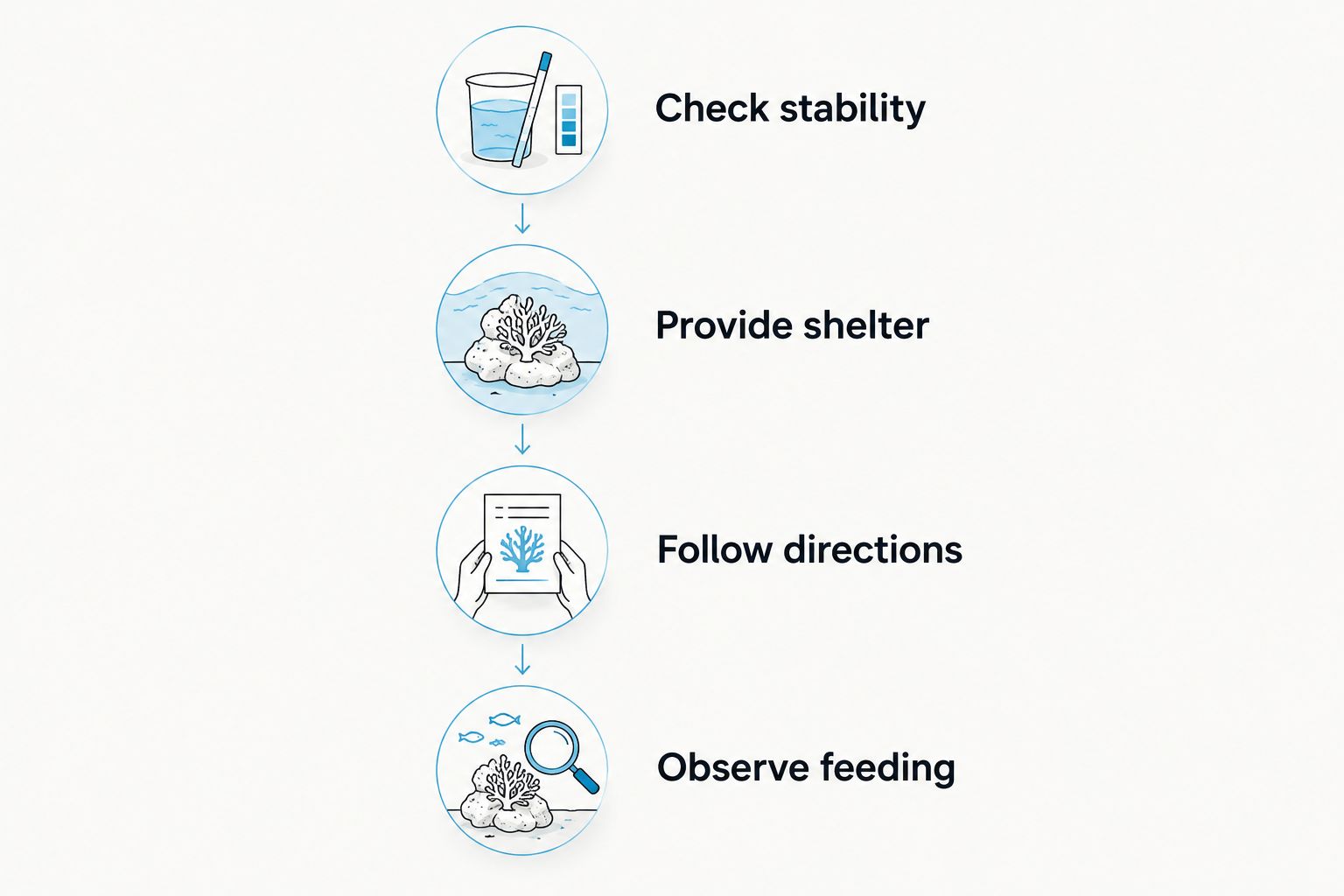
How to give a seeding population a better start
Check stability
Introduce copepods into a system with stable, appropriate seawater conditions, not as a shortcut around cycling. Complete the tank's cycling process before treating it as ready for normal livestock additions.
For general tropical reef husbandry, around 35 ppt salinity and 24–26°C are common reference conditions. These are not product-specific copepod instructions: confirm the culture's requirements and match your established reef's suitable conditions rather than making abrupt adjustments to chase a generic target.
Provide shelter
Give copepods access to rock crevices or a suitable refugium where fish cannot continuously pick them off. A bare, exposed introduction point makes the organisms easier prey; it does not help you assess whether a population can establish.
Shelter should not become an excuse to accumulate decomposing waste. Keep habitat accessible enough to inspect, and maintain the rest of the aquarium's normal cleaning routine.
Follow directions
Use the seeding product's handling and introduction instructions. Confirm species identity and feeding needs before applying advice written for a different copepod culture.
Do not adopt a blanket rule to switch off every pump, skimmer and treatment device. Preserve essential circulation and oxygenation, and follow relevant equipment instructions if the supplier recommends a temporary change during introduction.
Observe feeding
Watch both the copepods and the animals you expect them to feed. A fish hunting constantly can consume introduced organisms without leaving enough sheltered survivors to sustain the population.
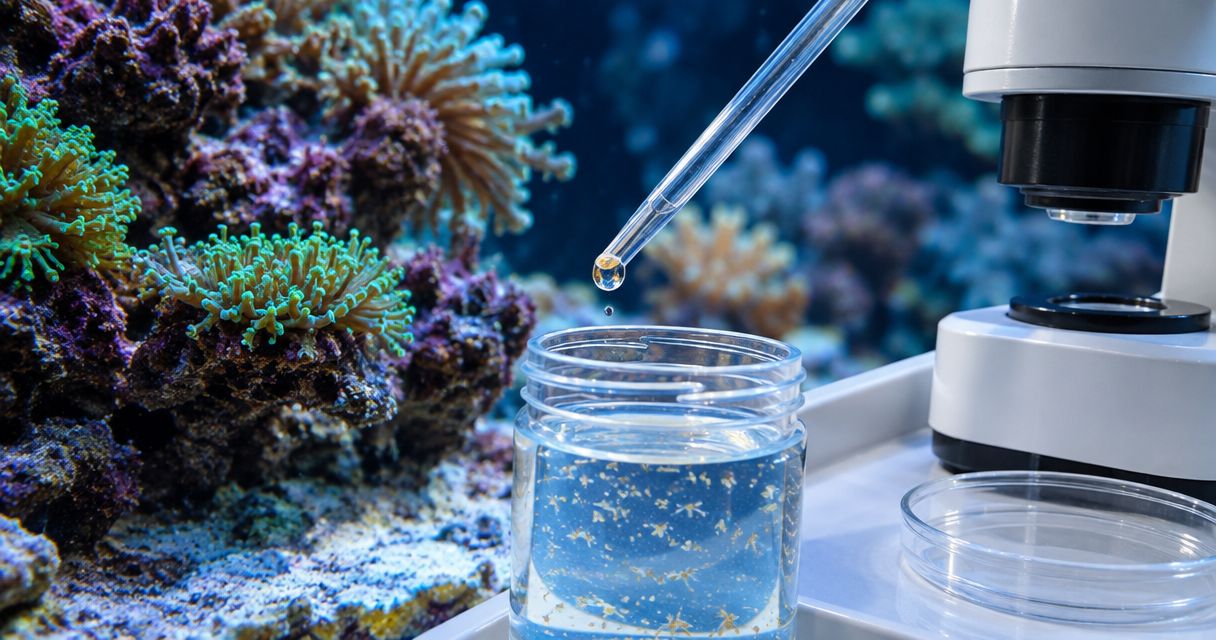
Inspect sheltered surfaces after lights-out with a torch, but avoid treating every small moving organism as the same species. Record what you see alongside fish feeding behaviour and normal water tests; one inspection is not proof of a self-sustaining food supply.
Match copepods to the problem you actually have
Film on glass and rock
Do not assume an unidentified copepod culture will clear every visible film. Copepod feeding varies, and microscopic grazing is a different job from physically scraping aquarium glass.
Keep manual cleaning in your routine and identify persistent growth before changing the clean-up crew. If the film keeps returning, review lighting, feeding and nutrient management rather than repeatedly adding organisms without a clear target.
Detritus collecting in corners
Copepods are not a substitute for moving trapped waste into a form you can remove. Review flow around the rockwork, siphon accessible deposits, and maintain mechanical filtration.
Avoid directing harsh flow at coral tissue just to clear a dead spot. The aim is useful water movement around the aquascape, not maximum output everywhere.
A fish that hunts all day
Copepods can be food, but buying a culture does not prove your tank produces enough food for a specialised feeder. Watch the fish's body condition and feeding response, and confirm what alternative foods that individual accepts.
A refugium supports the habitat side of the plan; a frozen food trial addresses feeding acceptance. Keep those observations separate so a successful purchase does not become an unsupported assumption about long-term nutrition.
How the options were ranked
This 2026 ranking puts task fit first: seeding a population, then offering frozen food. The comparison uses the products' stated purposes, their living-versus-frozen distinction, and the habitat and feeding constraints relevant to those purposes.
No species-specific performance claim is needed to reach the verdict. A seeding product belongs in a clean-up-crew plan; frozen copepods belong in a feeding plan. Neither product earns a claim that it eliminates algae, guarantees fish acceptance or replaces maintenance.
Which copepods should you choose?
Choose Copepods when you want to seed a cycled reef tank or refugium. Build suitable shelter, confirm handling requirements, and assess the population over time rather than assuming the first addition completes the job.
Choose Copepods 100g - Ocean Nutrition when you want frozen food. It is the wrong choice for establishing microfauna, even though the organisms share the same common name.
For an undecided buyer comparing copepods for sale in 2026, the default is straightforward: choose the seeding product for a living clean-up crew, and keep frozen food as a separate feeding decision.
FAQ
What's the best copepod option for seeding a reef tank?
Krakking Korals Copepods is the relevant option here because it is described for seeding tanks and refugiums. Provide suitable shelter and follow the product's introduction instructions.
Can frozen copepods become part of my clean-up crew?
No, frozen copepods cannot establish a living clean-up crew. Copepods 100g - Ocean Nutrition is frozen fish food, so choose it for feeding rather than population building.
Will copepods get rid of algae in my reef tank?
Copepods are not a guaranteed algae treatment. Feeding habits differ between species, and persistent growth still needs identification, nutrient management and appropriate cleaning.
Do I need a refugium to keep copepods?
A refugium is not the only place copepods can live, but it provides habitat away from display-tank fish. Rock crevices also offer shelter, while heavy predation makes population establishment harder.
How many copepods should I add to my aquarium?
Use the specific culture's dosing and introduction guidance rather than a universal quantity. The product format, aquarium habitat and intended feeding role determine what information you need from the supplier.
Are copepods enough to feed a mandarin?
A copepod addition alone does not establish that a tank can sustain a mandarin. Monitor the fish's body condition, its feeding behaviour and its acceptance of suitable alternative foods.
What should I check when buying copepods for sale in 2026?
Check whether the product is intended for seeding or is frozen food. Then confirm species information, handling instructions and how you will provide suitable habitat or manage feeding.
One last thing
A successful copepod purchase is not measured by how quickly fish eat the first addition. Immediate feeding shows that organisms were consumed; it does not show that a breeding population remains.
For a clean-up-crew goal, inspect sheltered habitat as well as the display. That simple change keeps your attention on establishment rather than mistaking a feeding event for a lasting result.